
You can request remission of General Interest Charge, but approval is not automatic. Remission is discretionary and depends on the facts of your case.
Interest on an ATO debt can grow while you wait
If an amount owing to the Australian Taxation Office is not paid by its due date, the ATO can apply a General Interest Charge, commonly called GIC.
For taxpayers with older or substantial debts, these charges can become significant.
So can you simply ask the ATO to remove the interest? You can request remission — but approval is not automatic.
What Is the ATO General Interest Charge?
General Interest Charge is an interest charge that can apply when certain tax liabilities are not paid on time.
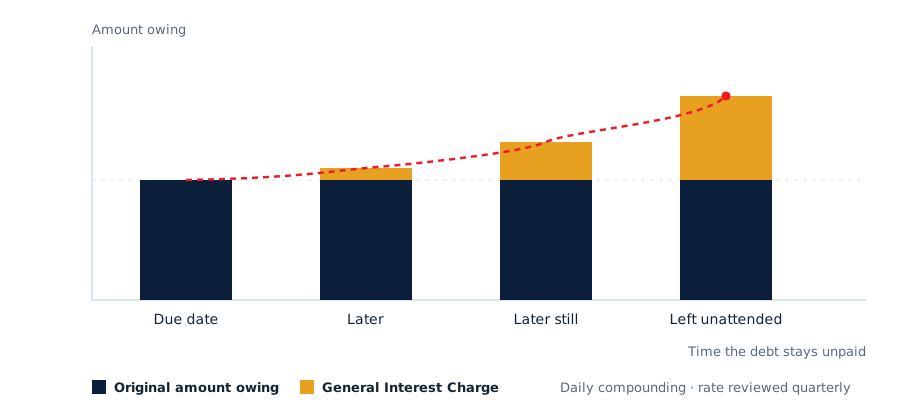
The ATO states that GIC accrues while a debt remains unpaid and is calculated on a daily compounding basis.
That means ignoring an ATO debt can allow the amount owing to continue growing. GIC rates are also reviewed quarterly.
Can the ATO Reduce or Remove GIC?
Potentially.
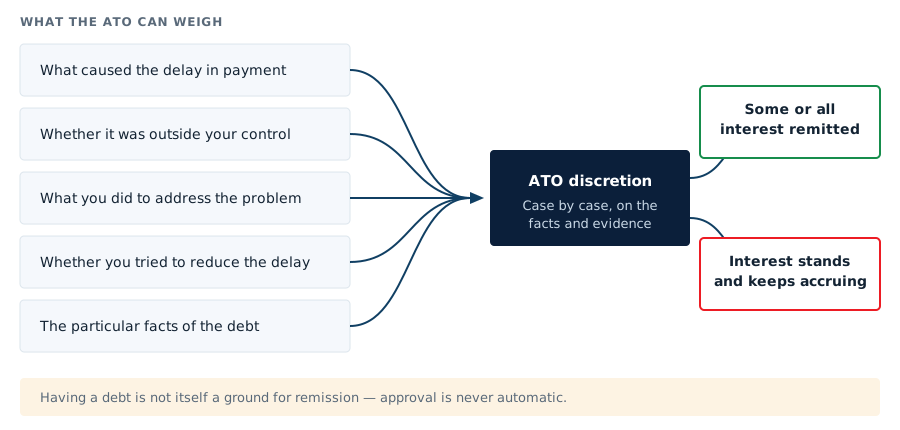
The ATO says taxpayers can request remission of some or all of their interest where appropriate circumstances exist. However, having an ATO debt does not itself mean you qualify for remission.
The ATO's guidance indicates that circumstances considered can include factors such as:
- what caused the delay in payment
- whether circumstances were outside your control
- what actions you took to address the problem
- whether you attempted to reduce the delay
- the particular facts surrounding the debt.
The ATO's formal guidance recognises that there are circumstances where remission of GIC may be appropriate.
What Information May Be Needed?
A strong remission request generally needs more than simply saying the interest is too expensive.
The ATO advises that GIC remission requests should explain the circumstances leading to the late payment, including relevant dates and the steps taken to reduce the delay.
Depending on the case, supporting information could therefore become important. The details of every case are different.
A Major Change Since 1 July 2025
There is another reason ATO interest has become more important.
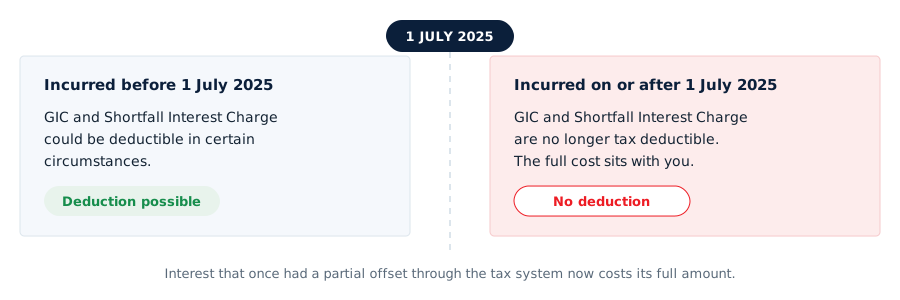
The ATO confirms that GIC and Shortfall Interest Charge incurred on or after 1 July 2025 are no longer tax deductible. Previously, certain ATO interest charges could be deductible.
That means taxpayers facing significant ATO debts should pay particular attention to ongoing interest rather than assuming the tax system will provide a deduction for the cost later.
What Should You Do If You Have an ATO Debt?
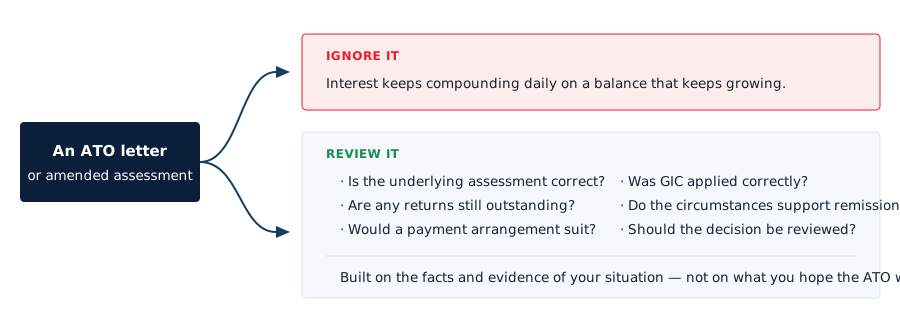
The worst strategy is usually to ignore it.
Depending on your circumstances, issues worth reviewing may include:
- whether the underlying assessment is correct
- whether returns remain outstanding
- whether a payment arrangement may be appropriate
- whether GIC has been correctly applied
- whether circumstances support requesting remission
- whether an ATO decision should be reviewed
- whether professional assistance is needed.
A request for remission should be based on the facts and evidence of your situation rather than assumptions about what the ATO will accept.
Example
Consider a police officer who receives an unexpected amended assessment relating to an earlier tax year.
The taxpayer experiences circumstances that significantly affect their ability to resolve the debt and interest continues accumulating. This does not automatically mean the interest will be remitted.
However, depending on what occurred, when it occurred and what the taxpayer did to address the situation, there may be grounds to ask the ATO to consider remission. The quality of the explanation and supporting evidence can therefore matter.
Have ATO Interest or an Old Tax Debt?
If you are a PoliceTax client dealing with an ATO debt, amended assessment or significant interest charges, the matter may deserve a closer review rather than being ignored.
PoliceTax can help identify the tax issues involved, and more complex ATO dispute and debt matters may also be suitable for specialist review through ATOFightBack.
Received an ATO letter or facing growing ATO interest? Speak with us before assuming there is nothing you can do.